A world tour for LITERATURE 01

“Pièce de résistance”
GROUP 2 AD 11 B
BELTRAN,BOLONGAN,EBALE,GUILLENA,JIMENEZ,TORRALBA,YAP
About
Hey, everyone. Thanks for stopping by! It has been quite a time for us nowadays, all snuggled up all alone and doing nothing. But it is no excuse to not find time to read literature. Of course, reading may be boring, but it is a great and fun way to escape the world we live in.
Who wants to travel around the world? Obviously, everybody does. However, at this time of year, we do not get the chance to do so. Therefore, we take a shot at literature. Since literature covers all 5 continents and, on your computer, we can do that pretty darn well, and in record time as well. We are able to read literature from Asia, Europe, North America, literally everywhere, except Antarctica.
Also, literature can also be a way to learn about a culture, and we got different Filipino pieces that we like to share our thoughts with you. Boy were these stories an adventure! Somehow, literature can also pull you into the world. Everybody experienced this at least once, and you are no exception.
We invite you to our world, where literature is a travel package of fun, mystery, and wonder. And it’s all for free! Take a break from reality, and come with us to different worlds and stories, and we will be with you in every step of the way.
Interested? Click here to start your adventure!
WORLD WIDE LITERARY PIECES
Part 1: BINIGNIT
written by ROEHL DAZO
By: Herald GUILLENA
What is the significance of binignit in the story?
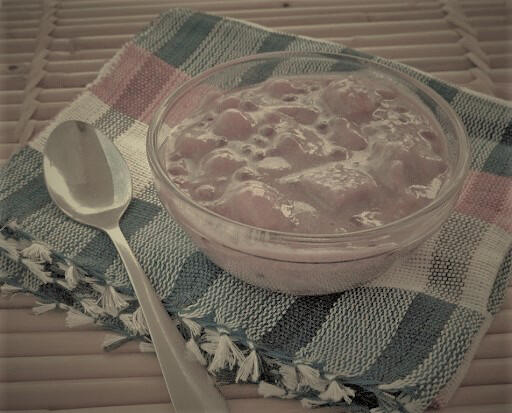
Binignit, written by Roehl Dazo, talks about a gay man who had anxiety problems along his journey going to Alcantara and overthinking about his mother’s reaction when she sees the drastic change of her son’s physical appearance. Before reading this literary piece, I was curious on why the name binignit was chosen to be the story’s title. It made me realize that there is something significant about it. Binignit symbolizes the queerness of the gay man, it shows the mother and son relationship and lastly, used to show that he is accepted by his mother.
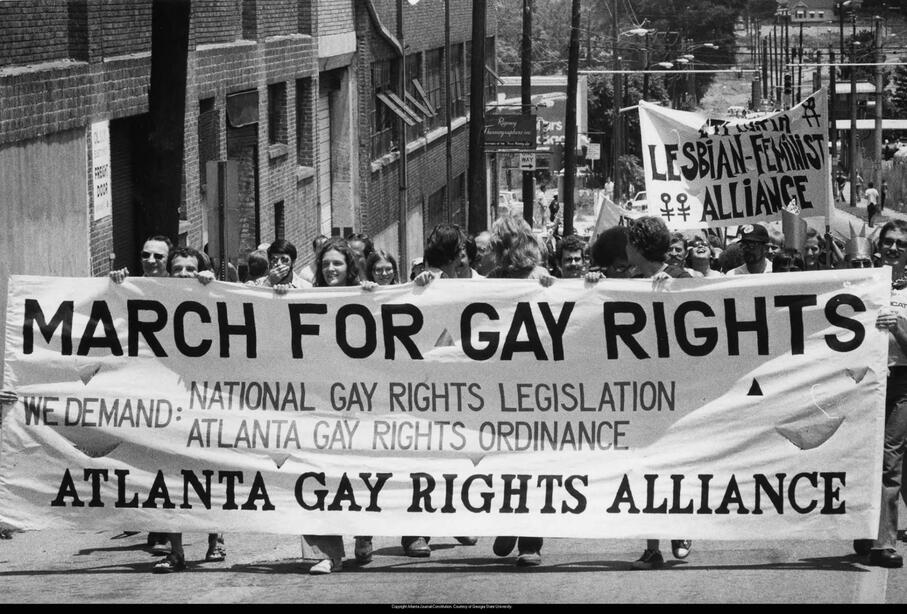
In the story, binignit symbolizes queerness as it is a Filipino dish that has a lot of color in it and a lot of sagol, such as ripe banana, sweet potatoes, jackfruit, ube, and the different colored sago, which symbolizes the LGBTQ+ community’s flag. Binignit is a representation of the people that are part of the LGBTQ+ community, who will fight for their rights, and show the society that they are still people and they must be respected.
In the beginning of the story, the protagonist describes how he usually helps his mom in making binignit, typically during solemn events like Semana Santa. It shows their relationship with each other and how close they are. A sentence from the story, “Kahibaw na si Mama nga di ko mokaog binignit kon wa niy sago.” It just proves that they know each other well and it shows their mother-and-son bond.
Lastly, binignit was used at the end of the story to show that he is accepted by his mother for who he is. It gives us a sentimental vibe, but it warms our heart that his mother accepted him again. Another sentence from the story proves it: “Nausab ang naandang kolor sa binignit ni Mama. Kaniadto, asul tungod sa ubi. Karon, pink na.” It made me realize that even though her son changed his gender preference, the mother still treats him as her son. Her love for his son did not even change for a bit. This is proven strongly by this line: “Lami guihapon ang binignit bisan lahi na kini ug kolor.”
In conclusion, the use of “binignit” as its title is very significant in the story. It is a vital component in the story and the story will not be complete without it. Binignit is a nice choice of dish because using this makes readers, especially Filipinos, easily relate to this and understand the message of the story more deeply.
Part 2: An excerpt from
Dakbayan
written by DR. RESIL MOJARES
By: KIARA TORRALBA
Explore the ways Cebu names its locations, both by city governance and localization with reference from the text.
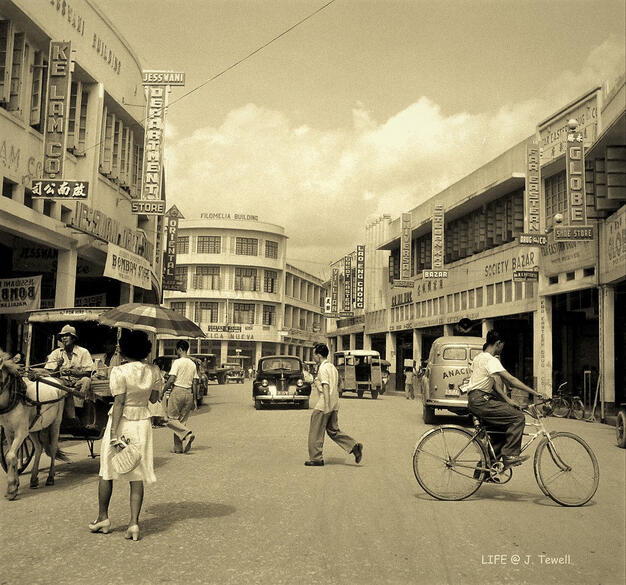
Most of us know the significance behind the very name that our parents gave us. I, without a doubt, am named after a character from the animated film The Lion King 2: Simba’s Pride. Different names are a mix of guardians’ names and some are haphazardly given since they sound apparently decent. My point is, name sources are intriguing, and that applies to names and places too. With that said, have you at any point considered how Cebu’s areas and roads are named?
The field of the customary Cebuano is loaded with signs by which they mark and orient themselves in space. Such signs might be regular milestones, or human abodes with specific areas. In contrast to traditional networks or communities, Cebu City is certainly not built with a unitary, independent framework. It is a genuine total, an assortment of organizations that are not constantly compatible, of components firmly compared, however not fundamentally reliant, which also says a lot about how Cebuano’s name their areas. It is amusing how our mostly blocked midtown regions convey such rural and now futile names. For instance, “Kalubihan” or “Kanipaan” that basically means a place filled with “coconut palms” or a “Nipa swamp”, respectively.
There is a persistent limit of destinations and spaces represented in road naming. The drive to limit and privatize roads has offered ascent to a welter of names, the importance of which road inhabitants which, either do not have the foggiest idea or have just overlooked.
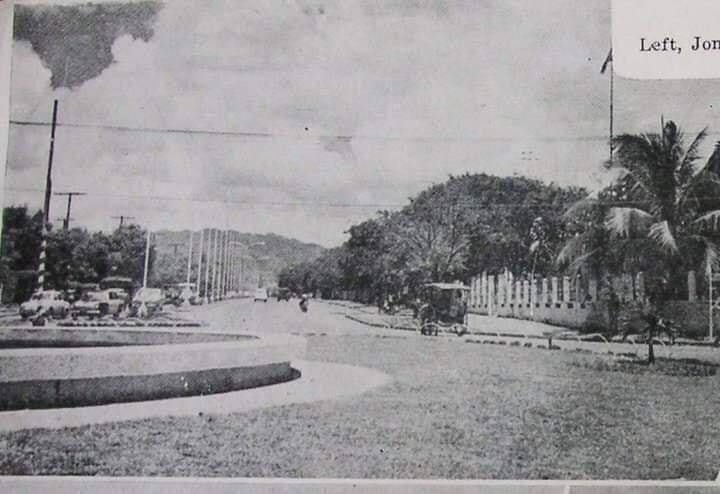
The sad part with the spot naming in Cebu today is that after individuals take responsibility for age-old and archaic territories in Cebu, they rename it for their own. Thus, it makes a proviso and a memory hole of Cebuano history, which I believe should be significant for Cebuanos. There is obviously little confirmation that the old names will remain, for in time, different names might be filled in, and that will, in turn, be further supplanted by others. Such action is the legislative issues of naming.
Rather than roads being named by a dynamic code, we have names with exceptionally nearby eccentric implications. This is not only a disappointment of urban arranging; it is likewise a matter of culture.
Part 3: Unsaon Pagkaon Sa Impyerno
written by CINDY VELASQUEZ, M.A.
By: JHAN BELTRAN
What is the poem talking about? Is it relevant to today’s society? Is there anyone that comes to mind while reading this poem?
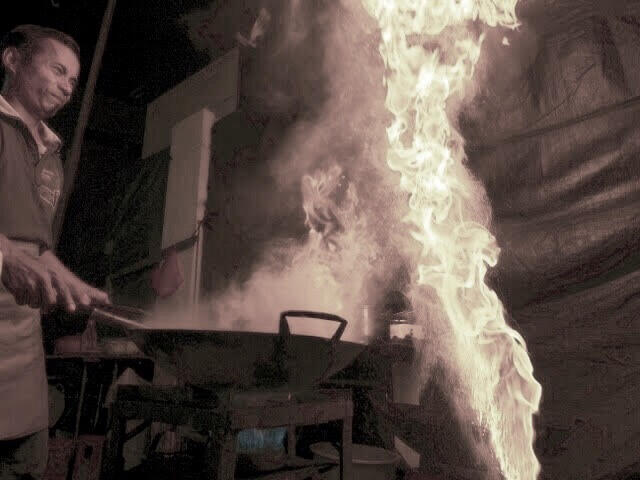
First, I would like to say that I am truly and deeply amazed knowing that this poem was written by one of my university’s professors. I am touched by the poem upon reading it, for it tells the people about the harsh and undeniable reality of today’s society. As a reader, it tells that you do not need to die to experience hell. Poverty, famine, war, corruption etc., the writer wants to let people realize that hell is indeed on earth, and we are living in it. It also tells the people how to cope up with society and how to survive hell every day.
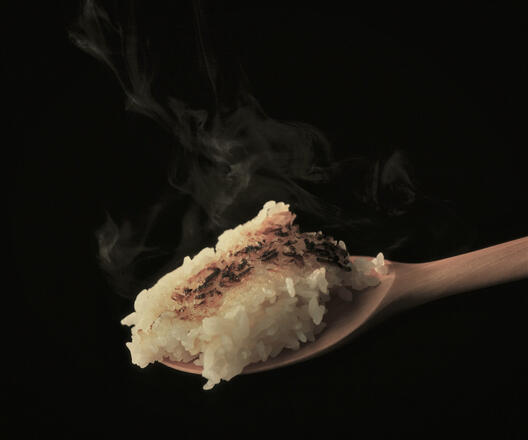
The first stanza tells the reader that you need to scoop your fears from the hot pan. It tells that you must be brave, even though it hurts you. You must be brave enough to accept how corrupted our current government system is. It also tells us that we need to let the government see that we are aware of what they are doing, and we should not tolerate this kind of behavior in our society. Starting from the sixth stanza it tells about poverty and how poor our country and our people is.
Part 4: Beyoncé’s Lemonade
written by WARSAN SHIRE
By: TRISTAN EBALE
How do Shire’s words create a striking picture of the unfaithful husband and the effect he has on the persona?
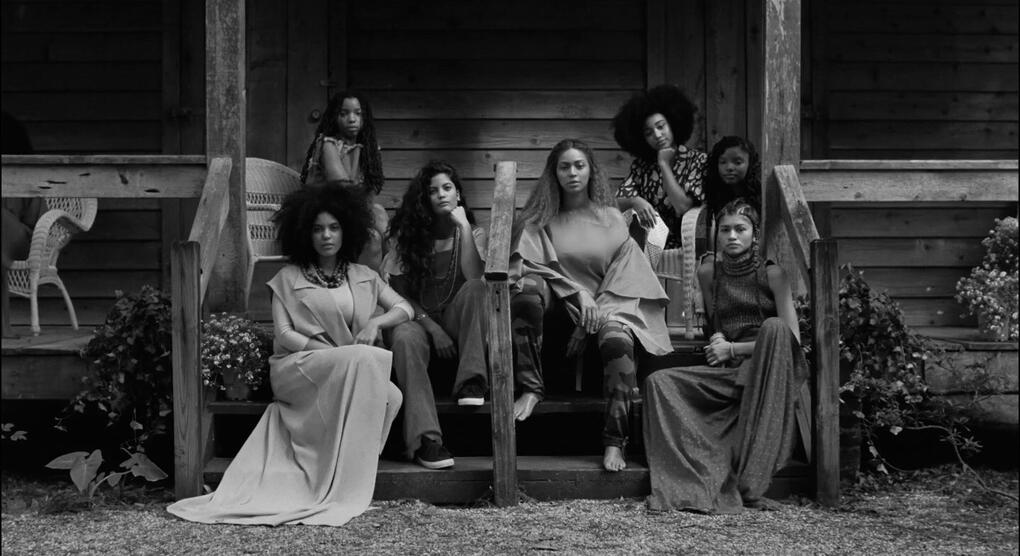
Shire’s poetry pieces fall seamlessly in Bey’s film in a way that speaks meaning in an otherwise visual medium. Considering the theme that Lemonade addresses, it enhances the emotional capacity much better than just using music, images and ambient sound design. In this case, the film proved that Shire has raised the stakes and much accurately depicts the life story of Bey’s crisis by making use of the following devices.
What makes a story immersive is the use of descriptive text. Shire’s poems are extremely descriptive and situational. For example, the poem that precedes the song “Hold Up”: Denial. The poem describes her extreme suffering from her experience such as trying to be softer, prettier, less awake, abstaining from mirrors, even abstaining from sex. Then, the poem transforms into something extreme, almost prophetic. Things like whipping her own back, throwing herself into a volcano, begging and bending at the waist for God. This entails pain and sympathy for poor Bey from what she went through and suffered for the audience to get a grip on what she felt and what the husband is like. Finally, to cap it off, the words that echo linger in the mind, and that is another thing to tackle.
“Are you cheating on me? Cheating…are you cheating on me?”
Questions make a nice touch to a personal story. It is somewhat an attack, or an interrogation, trying to get the answer she needs to make sense of what she experienced. To the audience, it leaves a mysterious tone to the film. It is almost ambiguous; we do not know if she got the answer. Instead, we hear a song that attributes to that part of the film. There are a handful of questions that follow this motif, such as: “Where do you go when you go quiet?” “Why can't you see me?” “What are you gonna say at my funeral, now that you've killed me?”. The use of questions makes us sympathize with Bey more and form an image of her husband’s menacing reality.
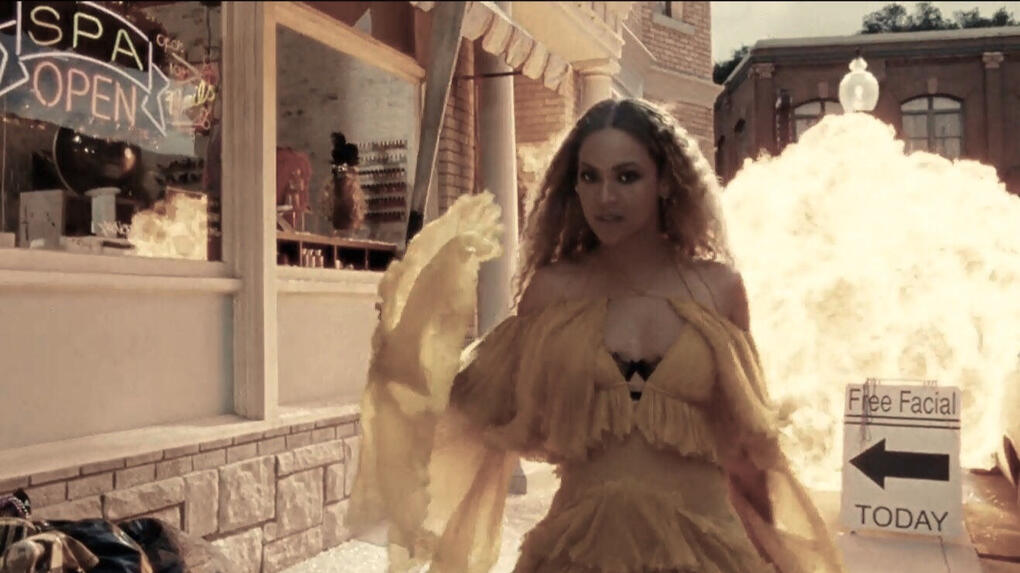
Shire amazes whoever watches Lemonade, bringing another dimension to Bey’s already masterful creation. Her poems function as a novel chapter, or a bookmark to signify a certain part of Bey’s life. They open a new atmosphere in every poem we hear, and we know what Queen Bey is talking about. When Bey reads those poems, we listen, and we learn from those poems. The Queen is sending a beautiful message.
Part 5: The Boy in the Striped Pyjamas
written by JOHN BOYNE
By: JHON LLOYD JIMENEZ
In what ways does Boyne portray the privilege that Bruno and his family experience in this chapter of the novel?
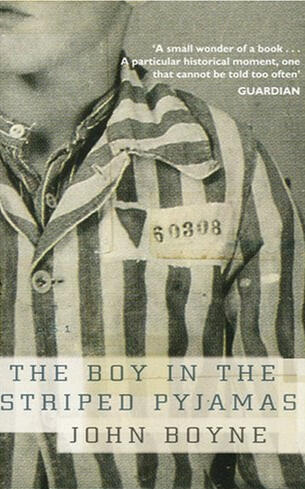
How Boyne achieves this is that he makes sure that every inch of detail is present, making the readers feel like they could picture out what Boyne's is trying to show how the scene really looked like.
To prove my statement, you can read how he portrays one scene here in this passage: " For the banister in this house stretched from the very top floor - just outside the little room where, if he stood on his tiptoes and held onto the frame of the window tightly, he could see right across Berlin -to the ground floor, just in front of the two enormous oak doors". That is how I liked the story because of how detailed the story was.
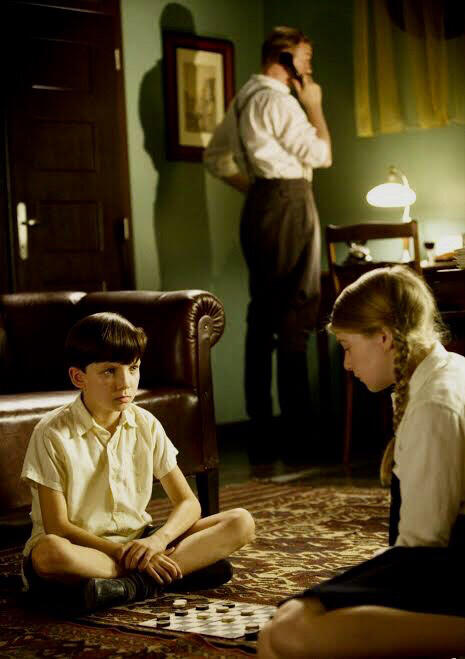
The most powerful moment in the story is where Bruno's mother showed how a mother will act and what to say. In the following passage, you can feel its depth and you will see that most mothers do this when they cannot stand the annoyance of their children asking too much questions. "Bruno, that's enough,' she said, snapping at him now and standing up to show him that she was serious when she said that was enough." That what makes it a powerful moment.
Bruno's mother is depicted in the story as oblivious, that she is ignoring all the questions that Bruno is asking. Moreover, she does not even know what her own husband’s real job is and plans to move out without giving Bruno a proper talk, which I could say that she is the antagonist of the story. Plus, there was a scene where the mother acted like she is hiding something to Bruno where she does this: "…with a laugh, although it was a strange kind of laugh because she didn't look happy and turned away from Bruno as if she didn't want him to see her face". Her strange behavior is why I disliked the mother.
Boyne showed the privilege in both sides that Bruno have the right to stay because it is his house, but the parents have more rights whether they will leave or not.
Part 6: Sunday Candy
written by Chance the Rapper
By: MARYBEL YAP
With evidence from the song lyrics, why is the song entitled ‘Sunday Candy?’
The song, Sunday Candy by Chance the Rapper, is about the persona speaking to his grandmother, and how his time with her was spent. He describes his grandmother’s appearance, what she smells like, what she sounds like, and how she treats him as a grandson. He also defined the times when he was with his grandmother, especially when they go to Mass.
My opinion on the question, why is the song entitled “Sunday Candy”, is because Sunday candy means to finally see that one person after a whole week, which was shown in the song. The persona and his grandmother do not see each other for a whole week and would only meet on Sundays. It is also because the only time he can meet with that one person is on a Sunday, so he is treating that day as a sweet thing or in other words: a nice and wonderful day. It could also be that the word “candy” signifies that one person you meet with, and Sunday of course is the only day you are able to see that person.
In conclusion, “Sunday Candy” is when you finally meet that one person after a whole week. It was mentioned in the song that the persona was talking about his grandmother, whom he only gets to meet on the end of every week. One line in the song: “I come to church for the candy, your peppermints truth” shows that they would see each other on Sundays and go to church together. This line, “I’ve been waiting for you the whole week,” proves that they see each other after a whole week. So that is why the song is entitled “Sunday Candy”, because it depicts the persona and his grandmother seeing each other on the end of a week.
Part 7: An Excerpt from
On Earth We’re Briefly Gorgeous
written by OCEAN VUONG
By: BIANCA BOLONGAN
What impression does Vuong give you of the mother and the narrator’s relationship with her at this moment in the novel?
In this paper, I am going to discuss about the relationship of the writer, Vuong, with his mother and the mother herself. As I read through this writing, I was able to understand that the mother was dealing with a serious traumatic disorder, and that the relationship between the writer and his mother was frightening, painful yet somehow still filled with love. My reason for supposing this idea as true and precise is the fact that despite how many painful and incomprehensible incidents created by both sides of the mother and son, they remain together.
Going back and responding to what impression the writer leaves me with, it is evident from the beginning that his mother is undergoing a traumatic disorder because of a passage stating that “I stood bewildered, my toy army helmet tilted on my head. I was an American boy parroting what I saw on TV. I didn’t know that the war was still inside you, that there was a war to begin with, that once it enters you it never leaves—but merely echoes, a sound forming the face of your own son. Boom.” It helped me to further understand the passage before this that mentioned his mom being so startled after such “boom” sound that Ocean made.
To support that point of mine, this line concretely says that “I read that parents suffering from PTSD are more likely to hit their children.” Vuong verifies and clarifies that his mother is indeed suffering from a disorder and claims that it is with PTSD, or Posttraumatic Stress Disorder.
Another topic to be discussed is the relationship between Vuong and his mother. Due to his mother’s disorder, not all interactions were as normal as it would be with other families that involve anyone having PTSD. One of the incidents depicting their relationship can be seen in this passage that reads “The time, at thirteen, when I finally said stop. Your hand in the air, my cheek bone stinging from the first blow. ‘Stop, Ma. Quit it. Please.’” It shows how much of a norm harming Ocean was, that it became what seemed to be their relationship. It is evident in the lines that mention his cheek bone stung from the first blow that she was hurting him yet again, and that mere word “finally” implied how long this has been going on for.
But regardless, it was stated several times that his mom would express her affection either way, as seen in the lines “you said, out of nowhere, ‘I am not a monster. I am a mother.’”
All this connects to my main claim which states that his mother was dealing with a traumatic disorder, and their relationship was frightening and painful, yet still filled with love. In summation, Ocean Vuong had a troubled mother with PTSD, and struggled growing up. But despite the troubles they managed to stick with each other and still retained love for one another inside.